
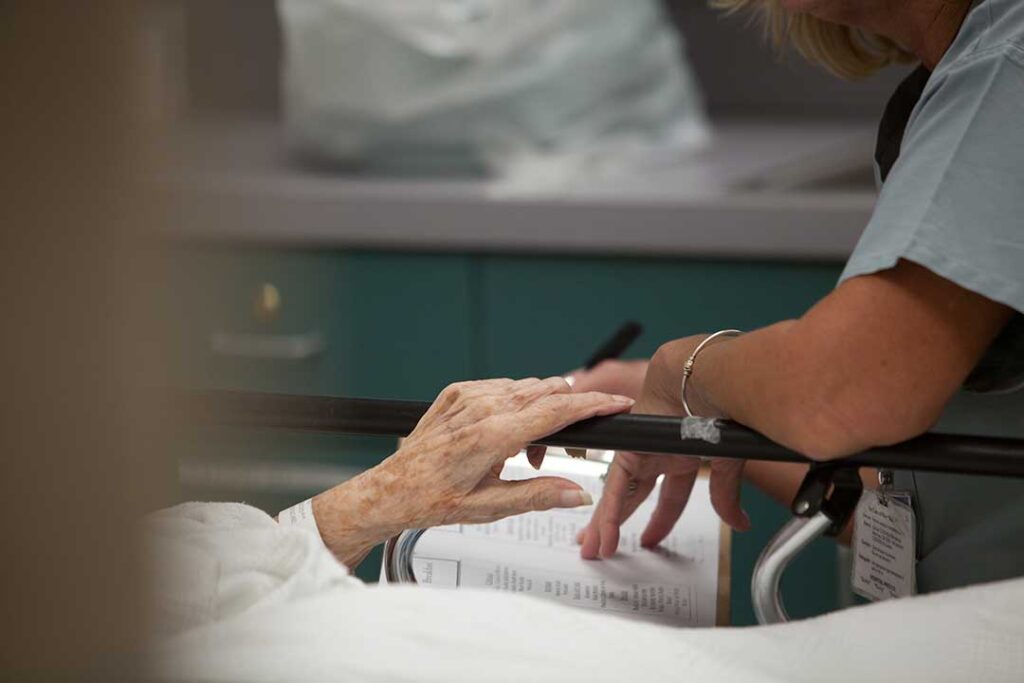
How Can Falls Be Prevented in Assisted Living Environments?
Falls are a leading safety concern for older adults in assisted living communities. For residents in Etna, PA, practical steps tailored to home layouts, local climate conditions, and personal health habits can help reduce risk significantly.
Key strategies include adapting home environments, staying alert to changes in physical health, and being proactive about seasonal hazards.
What Are the Most Common Causes of Falls Among Older Adults?
Falls often happen due to a combination of factors. In residential settings, hazards typically include:
- Slippery or uneven floors (especially during winter thaw or rainy periods)
- Poor lighting in hallways and bathrooms
- Loose rugs or clutter in walkways
- Use of stairs without adequate handrails
- Medications that affect balance or alertness
- Personal health issues such as decreased vision, muscle weakness, or balance problems
Locally, icy sidewalks and entryways during the colder months add another layer of risk for those walking to and from buildings or spending time outside.
Which Environmental Changes Make the Biggest Impact?
Making small changes to the living environment is highly effective. Practical modifications often include:
- Installing stable handrails on all indoor and outdoor steps
- Adding grab bars near toilets and inside showers
- Ensuring all walkways are free from cords, shoes, and clutter
- Using non-slip mats in the bathroom and kitchen
- Improving lighting, especially around entrances and along nighttime routes to the bathroom
- Adjusting furniture layout to provide clear paths for walking aids or wheelchairs
For homeowners and renters in Etna, addressing outdoor risks—such as snow and ice buildup near doorways—is a seasonal must for mobility safety.
How Can Older Adults Improve Personal Safety and Confidence?
Staying active and addressing mobility concerns improves safety. Residents commonly benefit from:
- Balance or strength exercises tailored by a physical therapist
- Wearing sturdy, well-fitting shoes (not just slippers)
- Regular vision and hearing checks
- Reviewing medication side effects with a healthcare provider, especially when prescriptions change
Some residents believe falls are an inevitable part of aging. However, many falls are preventable. Confidence in walking and daily activities can be increased with consistency in these routines.
Why Do Season and Weather Conditions Matter?
Seasonal changes impact fall risks more in certain regions. In Etna, sudden freezes or frequent rain can create slick surfaces at building entrances or parking areas. Tips for handling these conditions include:
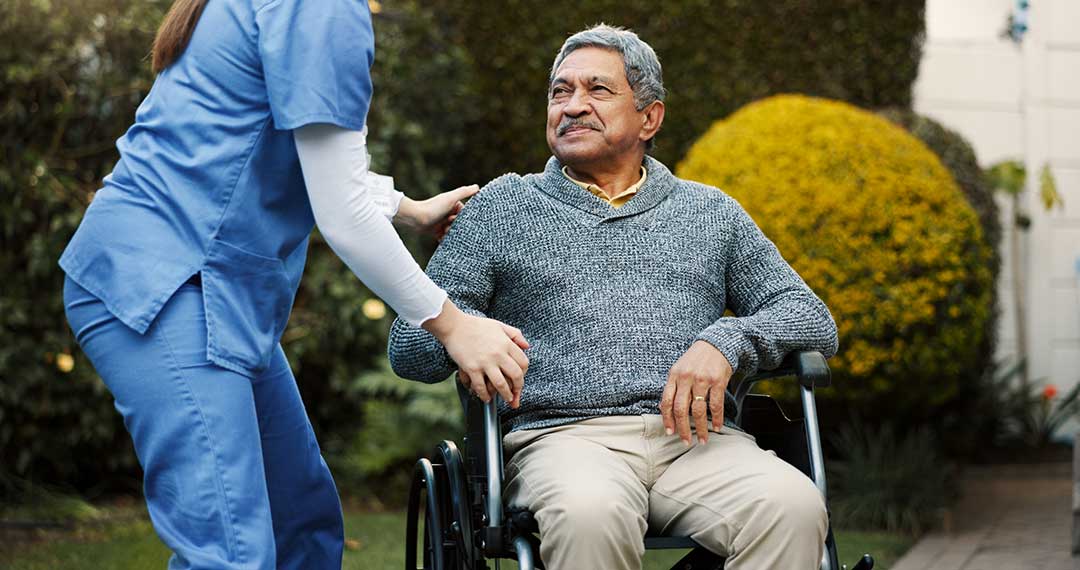
- Wiping wet or snowy shoes at the door to avoid puddles indoors
- Using salt or sand on outdoor steps or paths after storms
- Wearing footwear with good tread for icy days
- Asking property managers for maintenance support if sidewalks or communal entryways become hazardous
Residents should remain especially attentive after snow melts, as ice can linger in shaded areas.
What Are Common Misconceptions About Fall Prevention?
A widespread misconception is that using a walker or cane guarantees safety; while helpful, walking aids only prevent falls when used correctly and consistently. Another common belief is that falls only happen to people with obvious physical disabilities. In practice, anyone can fall—unexpected items on the floor or brief moments of dizziness are enough to cause serious accidents.
Some residents hesitate to report near-falls because they worry about losing independence. However, reporting these incidents to trusted staff, healthcare providers, or family allows for quick adjustments that boost safety and confidence.
How Can Family Members Support Loved Ones With Fall Prevention?
Family support plays a vital role. Suggestions for relatives and caregivers include:
- Talking openly about fall risks and prevention steps
- Helping with twice-yearly home safety checks (for example, testing lighting, replacing rugs with non-slip options, and clearing clutter)
- Encouraging regular activity and movement, even short daily walks indoors during inclement weather
- Offering to assist with transportation during icy or stormy weather
- Respectfully discussing any observed changes in strength, balance, or cognition
Keeping communication open and focusing on practical solutions helps residents feel empowered and supported in making safety improvements.
What Should Residents Do After a Fall or Near-Fall?
Immediate guidance is to alert a staff member, family member, or neighbor if a fall or near-fall occurs, even if there are no apparent injuries. Documenting what led to the fall, such as tripping over clutter or slipping in the bathroom, can help identify patterns and prevent future incidents.
Area households benefit from regularly reviewing personal and environmental risk factors, especially following any incident, however minor it may seem.
