
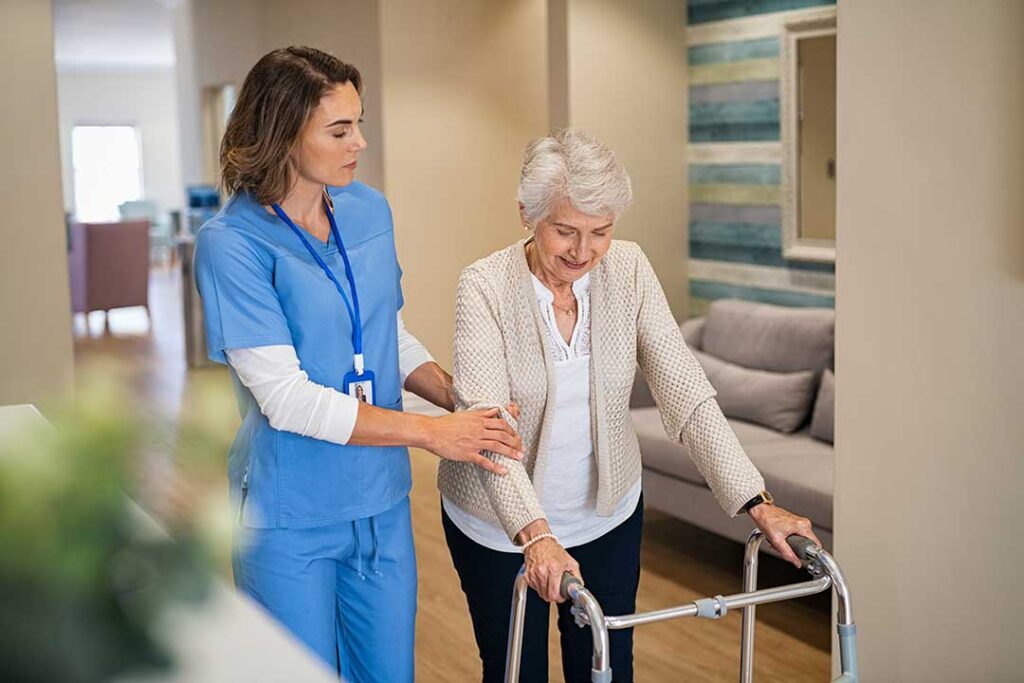
Volunteers can make assisted living feel more connected, active, and personal. In Etna, PA, their role may include spending time with residents, helping with activities, supporting social connection, and contributing to a stronger sense of community without replacing trained staff or licensed care.
What do volunteers do in assisted living communities?
Volunteers provide non-medical support that improves residents’ daily experiences. Their responsibilities depend on the community, the volunteer’s training, and the needs of residents.
Common volunteer activities include:
- Reading aloud, discussing current events, or sharing stories
- Playing cards, board games, or simple group games
- Helping residents write letters or make phone calls
- Supporting arts, music, gardening, or craft activities
- Accompanying residents during approved walks or social events
- Visiting residents who have few regular visitors
- Assisting with community celebrations and seasonal programs
- Bringing friendly conversation and opportunities for residents to share memories
A volunteer may spend an hour talking with one resident or help a staff member organize a small group activity. These contributions can be valuable even when they seem simple. For a resident who feels lonely, a regular conversation may be the most meaningful part of the day.
How are volunteers different from assisted living staff?
Volunteers add companionship and activity support, but they do not take the place of caregivers, nurses, medication staff, or administrators. Staff members remain responsible for personal care, health-related observation, medication assistance, emergency response, and other duties that require training or authorization.
Volunteers generally should not:
- Give medications or handle medical equipment
- Provide bathing, toileting, or other personal care
- Transfer or lift a resident unless specifically trained and authorized
- Make decisions about treatment, finances, or resident placement
- Promise confidentiality about serious health or safety concerns
- Transport residents without proper approval, insurance, and procedures
Clear boundaries protect residents and volunteers. A volunteer who notices a concern should report it to the appropriate staff member rather than attempting to solve it independently.
Why does companionship matter for older adults?
Social contact supports emotional well-being and gives residents a reason to participate in daily life. Moving into assisted living can involve major changes, including a different home setting, altered routines, reduced independence, and fewer informal interactions with neighbors or relatives.
Volunteers can help ease those changes by offering consistent, respectful attention. A resident may benefit from:
- Having someone listen without rushing
- Maintaining interests from earlier stages of life
- Talking about family traditions, work, hobbies, or local history
- Practicing conversation after illness or social withdrawal
- Feeling recognized as an individual rather than only as a care recipient
The quality of the interaction matters more than the length. A short visit that respects the resident’s preferences is usually more helpful than a longer visit that feels forced.
Can volunteers help residents with memory loss?
Yes, volunteers may support residents with memory loss, but they need guidance and realistic expectations. Conversation may focus on familiar subjects, music, photographs, simple activities, or sensory experiences rather than testing memory.
Helpful approaches include:
- Introducing oneself during each visit if needed
- Using a calm tone and short, clear statements
- Allowing extra time for responses
- Avoiding arguments about facts or past events
- Redirecting gently when a conversation becomes frustrating
- Watching for signs of fatigue, anxiety, or overstimulation
A volunteer should not correct every minor mistake or demand that a resident remember names, dates, or instructions. The purpose is connection, comfort, and participation—not performance.
How do volunteers support activities and community life?
Volunteers often help make activities more accessible. They may set out supplies, explain instructions, encourage participation, or sit beside a resident who needs extra time. This can help staff include residents with different mobility, hearing, vision, or communication needs.
In a community with residents from varied backgrounds, volunteers may also contribute music, recipes, stories, holiday traditions, or language skills. Activities should remain optional and should be adapted to residents’ abilities and preferences.
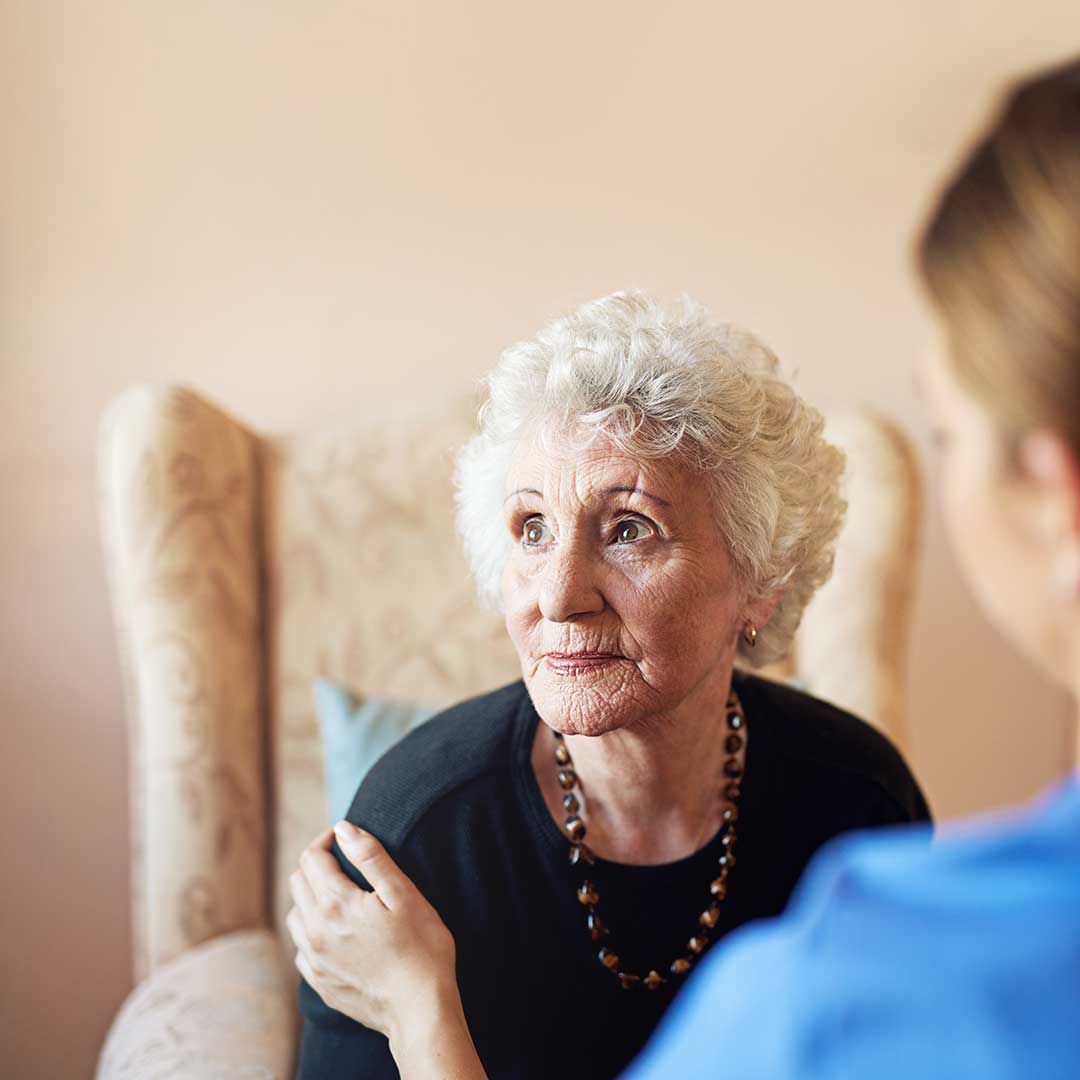
Seasonal conditions can affect participation in Etna, PA. Cold weather, snow, rain, and shorter winter daylight may limit outdoor visits or walking activities. During those periods, indoor conversation groups, hallway visits, crafts, music, and window-side activities can help residents remain socially engaged without unnecessary exposure to difficult conditions.
What should families know before a relative volunteers?
Families should understand that volunteering is a structured responsibility, not simply an informal visit. Each assisted living community may have its own screening, orientation, scheduling, confidentiality, infection-control, and emergency procedures.
Before volunteering, a person may need to complete:
- An application and background screening
- Orientation on resident rights and privacy
- Training on boundaries and emergency reporting
- Infection-prevention instruction
- Rules for photography, gifts, food, and personal information
- Documentation related to transportation or special activities
Families should also discuss the emotional side of volunteering. Visiting older adults can be rewarding, but it may involve witnessing illness, grief, confusion, or declining abilities. A volunteer needs to understand that residents may cancel visits, repeat questions, become tired, or respond differently from one day to the next.
How can volunteers respect resident choice and dignity?
Respect begins with asking rather than assuming. A volunteer should ask whether a resident would like company, what activity sounds comfortable, and when the person would prefer to stop.
Residents have the right to decline a visit or activity. They also have the right to privacy, personal space, and respectful conversation. Volunteers should avoid discussing a resident’s condition with other residents, visitors, or people outside the community.
Practical habits that support dignity include:
- Speaking directly to the resident rather than only to staff
- Asking permission before touching personal belongings
- Avoiding childish language or nicknames unless invited
- Sitting at eye level when possible
- Respecting religious, cultural, dietary, and personal preferences
- Keeping promises realistic and following through on agreed visits
A volunteer should never pressure a resident to participate for the sake of completing an activity.
What should someone do if a volunteer notices a safety concern?
Any concern involving possible abuse, neglect, injury, unexplained distress, missing belongings, or a sudden health change should be reported promptly to designated staff. Volunteers should not investigate, confront another person, or promise to keep serious concerns secret.
If there is an immediate emergency, the volunteer should follow the community’s emergency procedure and notify staff without delay. Written reporting may be required, especially when the concern involves an injury, fall, medication issue, or suspected mistreatment.
The safest approach is to describe what was observed, when it occurred, and who was present. Avoid guessing about causes or repeating rumors.
How can residents benefit from volunteer involvement?
Residents benefit most when volunteer programs are consistent, supervised, and shaped by resident preferences. A good program offers meaningful choices rather than treating activities as a way to fill time.
Volunteers can strengthen assisted living communities through ordinary acts: listening carefully, remembering a resident’s favorite subject, helping someone join a group, or showing up reliably. Their role is not to provide clinical care. It is to add human connection, encourage participation, and help residents maintain interests and relationships within a safe, respectful setting.
