
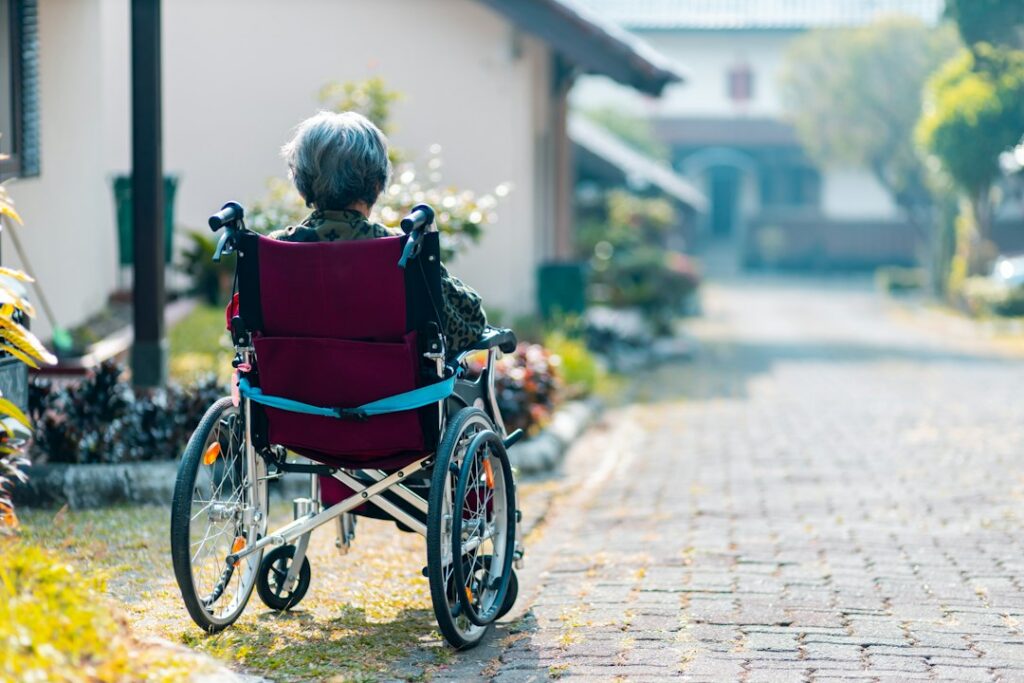
How does transportation support assisted living residents?
Transportation helps residents remain connected to medical care, family, shopping, recreation, faith communities, and everyday life. In assisted living, rides are not only about getting from one place to another. They also involve timing, mobility, comfort, supervision, weather, and the resident’s ability to manage the outing safely.
A dependable transportation plan should answer several basic questions:
- Where is the resident going?
- Does the resident need help walking, transferring, or entering a vehicle?
- Is a wheelchair, walker, oxygen equipment, or another mobility aid involved?
- How long will the outing take?
- Who will accompany the resident?
- What happens if weather or traffic causes a delay?
Residents and families in Etna, PA may need to plan for narrow residential streets, hills, winter ice, rain, and changing sidewalk conditions. Even a short trip can become difficult if the walking route includes uneven pavement, steep sections, poor lighting, or a lack of places to rest.
What types of transportation are commonly available?
Assisted living residents may use several transportation options, depending on health needs and the purpose of the trip. These can include facility-arranged vehicles, family rides, public transportation, paratransit, medical transportation, or community-based transportation programs.
Each option has different requirements. Some vehicles accommodate walkers but not larger wheelchairs. Some services require advance reservations, eligibility approval, or a specific pickup location. Others may provide a ride but not assistance from the building entrance to the vehicle.
Before relying on a transportation option, confirm:
- Whether door-to-door or curb-to-curb service is provided
- Whether an aide or companion may ride along
- How mobility equipment is secured
- Whether the driver can assist with boarding
- How much notice is required
- What happens if the resident misses the scheduled pickup
- Whether return transportation must be arranged separately
A transportation service that works well for a routine appointment may not be suitable for a long outing, evening event, or trip involving several stops.
How should medical transportation be planned?
Medical transportation should be arranged with extra time because appointments often involve check-in procedures, elevators, paperwork, and delays. The driver or companion should know whether the resident must arrive early, bring identification, carry medication information, or follow special instructions.
For medical visits, prepare a small outing folder containing:
- Appointment details and address
- Emergency contact information
- Current medication list
- Insurance and identification cards, if needed
- Mobility or communication information
- Questions the resident wants to ask
- Instructions for the return trip
The resident should not be expected to remember every detail while managing pain, anxiety, hearing difficulty, or medication side effects. A written plan can reduce confusion and help prevent missed appointments.
If a resident has memory loss, balance problems, or difficulty communicating, transportation planning may require a responsible companion. The need for assistance is based on the resident’s abilities, not simply on age.
What makes an outing comfortable and safe?
A successful outing is usually short enough to match the resident’s energy level and predictable enough to avoid unnecessary stress. The destination should have accessible entrances, seating, restrooms, shade or shelter, and a clear plan for returning.
Before leaving, consider:
- Time of day and expected traffic
- Temperature, rain, snow, or icy conditions
- Restroom access
- Distance from the vehicle to the entrance
- Noise, crowds, and lighting
- Availability of seating
- Whether food, water, or medication timing must be managed
- How the resident will respond if plans change
In colder months, ice near curbs and parking areas can create more danger than the trip itself. In warm weather, a vehicle or outdoor destination may become uncomfortable quickly. Residents who tire easily may need a shorter walk, a longer rest period, or a wheelchair for distance even if they can walk independently inside the residence.

Which outings are usually appropriate?
Outings should reflect the resident’s interests rather than focus only on errands. A person who no longer enjoys shopping may still appreciate a scenic drive, a quiet meal, a library visit, a religious service, a community event, or time with family.
Common outing categories include:
- Medical appointments and therapy
- Grocery and personal-care errands
- Visits with relatives or friends
- Religious or cultural activities
- Parks, gardens, and seasonal events
- Museums, performances, or educational programs
- Haircuts and other personal appointments
- Short drives with a planned rest stop
The best choice depends on the resident’s stamina, sensory needs, mobility, and interests. A familiar destination may be more enjoyable than a larger or more complicated event.
How can families reduce transportation-related stress?
Families can make outings easier by creating a consistent routine. Use the same departure checklist, allow extra preparation time, and avoid rushing the resident into a vehicle. Comfortable clothing and properly fitted shoes can make a significant difference.
It also helps to keep transportation information in one place. Record preferred transportation methods, mobility equipment, emergency contacts, appointment times, and any conditions that affect travel. Share updates if the resident’s walking ability, memory, vision, hearing, or medical needs change.
Family members should avoid assuming that a resident can manage transportation independently because the destination is familiar. A person may remember where to go but have difficulty crossing a parking area, finding the correct entrance, handling a delay, or explaining a problem to the driver.
What should residents ask before an outing?
Residents and families can ask practical questions before confirming transportation:
- Where will the vehicle stop?
- Is there shelter while waiting?
- Can the driver assist with a walker or wheelchair?
- How long may the vehicle wait?
- Is the return ride confirmed?
- Can a family member accompany the resident?
- What should happen if the resident becomes tired or unwell?
- Are there steps, steep paths, or long hallways at the destination?
These questions are especially useful for residents living in areas with variable terrain, older sidewalks, or winter weather. A route that appears accessible on a map may still include a difficult curb, uneven surface, or entrance without convenient seating.
How should transportation changes or cancellations be handled?
Transportation plans should include a backup option. Vehicles may be delayed, appointments may run late, and weather may make travel unsafe. A backup plan could involve a family member, rescheduling the appointment, using a different approved transportation method, or arranging an indoor activity instead.
Residents should not be left waiting alone if a ride is uncertain. If a scheduled pickup does not arrive, follow the established contact procedure rather than attempting an unfamiliar route independently. For urgent medical symptoms, transportation arrangements should not delay emergency care.
An outing does not have to be elaborate to be meaningful. A safe ride, a familiar destination, and enough time to move comfortably can help residents maintain independence, relationships, and a sense of connection to the surrounding community.
